Understanding Elbow Disorder in Dogs: Detection and Care
Elbow dysplasia constitutes a typical skeletal problem in dogs, chiefly in certain breeds. It transpires by way of assorted symptoms, featuring limping and swelling. Recognizing its causes and signs remains crucial for early treatment. Accurate evaluation and a collection of treatment options prove significant for enhancing a dog's health. Still, competent management transcends therapy alone. Investigating nutrition and preventive measures can markedly influence outcomes. What are the principal factors that pet owners should contemplate?
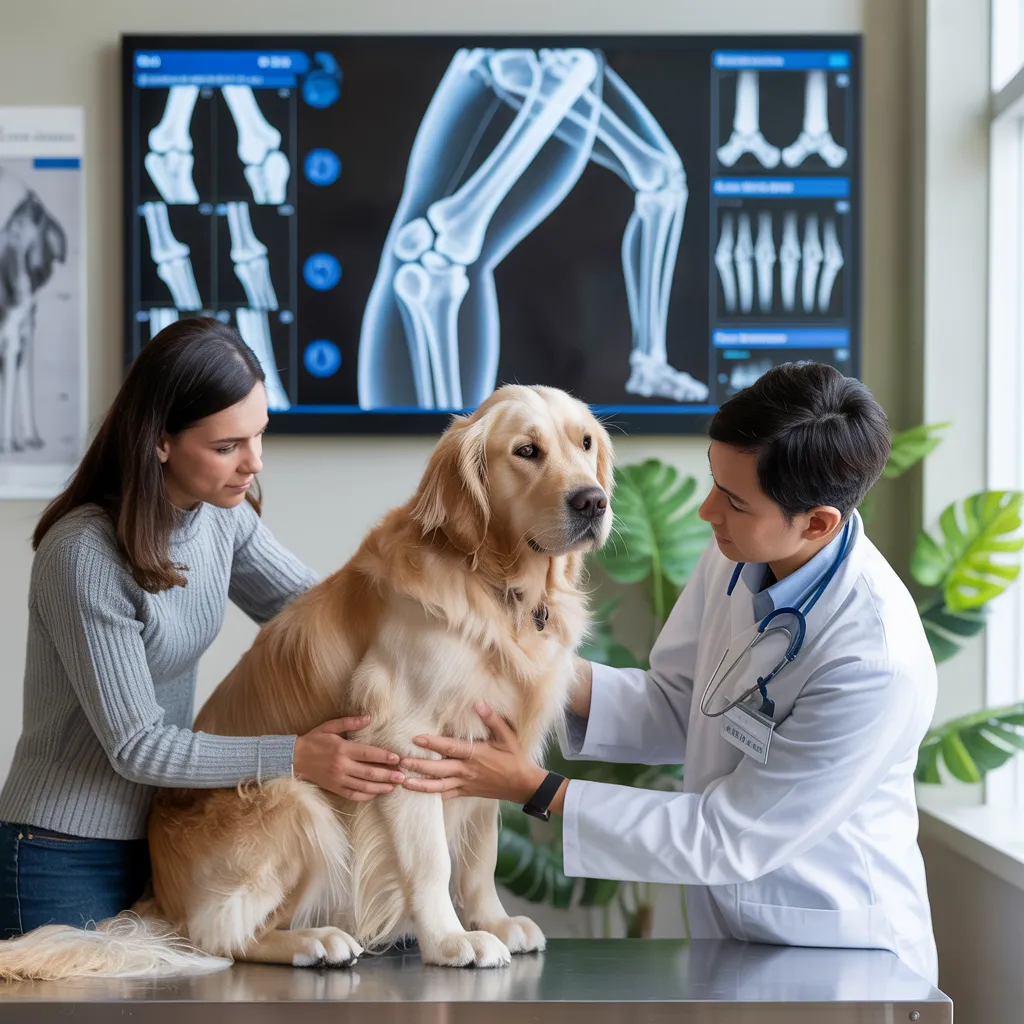
Examining Elbow Dysplasia and Its Root Causes?
Elbow dysplasia is a take the first step common bone and joint condition impacting dogs, marked by abnormal development of the elbow joint. This condition generally arises from a combination of genetic, environmental, and developmental factors. Certain breeds, such as Labrador Retrievers and German Shepherds, are predisposed due to genetic predispositions that affect joint formation. Quick development during puppyhood, coupled with excessive weight, can worsen the condition, resulting in incorrect positioning of the elbow joint components.
Moreover, elements including nutritional imbalances may lead to the development of elbow dysplasia, especially when puppies consume too many calories or specific nutrients. Trauma or damage to the elbow during vital growth periods may also be involved in the emergence of this condition. Comprehending these causes is essential for breeders and dog owners, as early intervention can help reduce the risks associated with elbow dysplasia and promote healthier joint development in dogs.
Identifying the Signs of Elbow Dysplasia in Your Dog
Recognizing the signs of elbow dysplasia in dogs is essential for timely intervention. Standard symptoms feature limping and unwillingness to get involved in physical activities, while behavior changes may manifest as increased irritability or withdrawal. Additionally, physical signs of pain, such as swelling or stiffness in the elbow joint, demand immediate attention from a veterinarian.
Usual Symptoms to Track
How can a pet owner identify potential issues with their pet's elbows? Common signs of elbow dysplasia include obvious lameness, particularly after exercise or prolonged rest. Owners may notice rigidity when the dog rises or a reluctance to engage in physical activities like jumping or running. Swelling around the elbow joint can also be a major indicator. Dogs might exhibit signs of discomfort, such as licking or chewing at the affected area. Additionally, an abnormal range of motion in the elbow can be evident during routine activities. It’s crucial for owners to monitor these signs closely, as early detection can significantly influence treatment options and overall quality of life for the dog.
Behavioral Changes to Note
When a dog begins to face discomfort due to elbow dysplasia, delicate behavioral shifts may appear that owners should be vigilant about. Increased irritability or restlessness can denote underlying pain, as the dog may grow less accepting of handling or play. Additionally, dogs might display reluctance to engage in activities they once enjoyed, such as fetching or running, reflecting their discomfort. Modifications in sleep patterns, including greater sleep or difficulty finding a comfortable position, may also be observed. Additionally, a dog may seek solitude, choosing to remain apart from family members or other pets. Recognizing these behavioral shifts is essential for early intervention and can help in managing the condition effectively.
Physical Displays of Pain
Identifying the visible signs of pain in a dog with elbow dysplasia is vital for timely intervention. Typical symptoms include limping, unwillingness to participate in physical activities, and difficulty getting up from a resting position. Dogs may also exhibit discomfort when the affected elbow is touched or manipulated. Swelling around the joint serves as another visual sign, together with a altered posture, where the dog might favor one leg over the other. Furthermore, increased vocalizations, such as whining or growling during movement, can signal pain. Observing these signs is crucial, as early detection can lead to effective management and care, ultimately enhancing the dog's quality of life. Routine veterinary check-ups are recommended to evaluate joint health.
What is Detection of Elbow Dysplasia in Dogs?
The diagnosis of elbow dysplasia in dogs involves a mix of clinical signs observation and examination procedures performed by veterinarians. Imaging techniques used for diagnosis, including X-rays, are crucial in verifying the existence of abnormalities. Precise identification is essential for management and treatment that works well of the condition.
Clinical Indicators Surveillance
While observing a dog suspected of a joint condition, several symptoms can develop, revealing the existence of this condition. Usually, the dog may show limping, especially post-activity, which can manifest as a reluctance to take part in physical activities. Swelling around the elbow joint might be visible, and the dog may show discomfort when the joint is examined. Additionally, stiffness, particularly after rest, may be apparent, along with irregular gait movements. The dog may also take on a "double-suspensory" stance, favoring one leg over the other. Shifts in behavior, including increased agitation or withdrawal from play, may happen due to discomfort. Recognizing these symptoms is crucial for timely intervention and management.
Clinical Imaging Techniques
Correct identification of elbow dysplasia in dogs often depends on various imaging modalities. Radiography, or X-rays, is the primary method for visualizing the elbow joint, enabling veterinarians to spot abnormalities such as fragmentation of the medial coronoid process or osteophyte formation. In some cases, sophisticated imaging methods like computed tomography (CT) or magnetic resonance imaging (MRI) may be utilized for a more comprehensive assessment, particularly when soft tissue involvement is suspected. These methods aid in evaluating the extent of the disease and planning appropriate treatment. Additionally, the use of contrast agents during imaging can enhance visualization of joint structures, aiding in the detection of subtle lesions that may not be visible on standard X-rays.
Veterinary Examination Methods
Veterinarians start the recognition of elbow dysplasia in dogs through a thorough clinical examination. This process typically includes a thorough evaluation of the dog's medical history, emphasizing any signs of lameness or discomfort. During the physical examination, veterinarians evaluate range of motion, touch the elbow joint for pain, and observe the dog's gait. If abnormalities are detected, further diagnostic imaging, such as X-rays, may be recommended to visualize the joint structures. Advanced imaging techniques, like CT scans or MRIs, can yield additional insights into the condition. By combining clinical findings with imaging results, veterinarians can exactly diagnose elbow dysplasia, making possible a tailored treatment plan that addresses the specific needs of the affected dog.
Exploring Therapy Choices for Elbow Dysplasia
Elbow dysplasia in dogs offers various therapeutic approaches aimed at reducing pain and enhancing joint function. These options may include non-invasive care, such as weight control and rehabilitation, which can help decrease stress on the damaged joint. NSAIDs (NSAIDs) are often recommended to manage pain and inflammation.
For serious cases, surgical interventions might be needed. Procedures such as arthroscopy can be performed to dislodge loose fragments or reconstruct damaged cartilage, while more complex surgical options may incorporate joint bracing. Post-operative management is essential and may contain a tailored rehabilitation program to restore mobility.
In some cases, alternative therapies, such as acupuncture or laser therapy, may be considered to support traditional treatment methods. Ultimately, treatment plans should be adapted to each dog's specific needs, taking into account the severity of the dysplasia and the dog's overall health status.
Tips to Control and Reduce Elbow Dysplasia
Controlling and managing elbow dysplasia demands a forward-thinking method that stresses a dog's general health and physical condition. Frequent veterinary check-ups are important for early detection and intervention. Maintaining a sound exercise routine assists in strengthening the muscles around the elbow, supporting joint stability. Taking part in gentle activities, such as swimming and controlled leash walks, lowers stress on the joints while still delivering necessary physical activity.
Proper training techniques can also help manage a dog's mobility patterns, lowering the risk of injury. Additionally, it is important to monitor a dog's growth, especially in large breed puppies, as rapid growth can compound joint issues. Prior socialization and structured play can support healthy behaviors and reduce the prospect of rough play that might overload the elbows. Overall, a thorough management plan that includes regular veterinary consultations and appropriate exercise can materially assist to preventing elbow dysplasia in dogs.
Nutrition and Weight Control for Managing Elbow Dysplasia
A nutritionally sound diet is essential in the treatment of dogs with elbow dysplasia. Proper nutrition strengthens joint health and can help address inflammation, which is critical for affected dogs. High-quality protein sources, healthy fats, and essential vitamins and minerals are fundamental components. Omega-3 fatty acids, found in fish oil, may minimize joint inflammation and pain.
Weight control is equally essential, as excess weight places additional pressure on the joints, intensifying symptoms of elbow dysplasia. Maintaining an ideal body condition can boost mobility and quality of life. Regular assessment of a dog's weight and limiting food intake, along with controlled portions, is encouraged.
Nutritional joint aids including glucosamine and chondroitin can also be beneficial, but should be discussed with a veterinarian. Overall, a tailored nutrition plan can markedly support in the control of elbow dysplasia, fostering long-term health and comfort.
When Do you need to Talk with a vet Regarding Elbow Dysplasia?
Identifying when to consult a veterinarian about elbow dysplasia is essential for supporting a dog's long-term health and comfort. Early symptoms such as hobbling, aversion to physical activity, or trouble getting up should prompt immediate veterinary attention. Owners should also pursue expert counsel if they observe elbow inflammation or clicking noises during activity, as these can point to joint instability.
Periodic examinations are advisable, especially for types predisposed to elbow dysplasia, such as Labrador Retrievers and German Shepherds. Veterinarians can provide advice on fitting imaging studies, which may feature X-rays, to verify the ailment and evaluate its severity.
Furthermore, if a dog's symptoms worsen despite home care approaches, such as weight control and modified activity, consulting a veterinarian is imperative. Timely intervention can assist in pain relief and enhance the dog's quality of life, potentially preventing further complications.
Often Posed Questions
Does Elbow Dysplasia Affect All Dog Breeds Equally?
Elbow dysplasia does not uniformly affect all dog breeds; bigger dog breeds tend to be more frequently affected. Genetic predisposition and structural variations factor into varying susceptibility, making some breeds more at risk for this condition than the rest.
When in Age Do Symptoms of Elbow Dysplasia Usually Present?
Elbow dysplasia signs typically appear in dogs between four to twelve months of age. Early manifestations may include lameness, reluctance to exercise, and difficulty in movement, emphasizing the importance of timely veterinary evaluation.
Does Elbow Dysplasia Have Genetic Links in Dogs?
Elbow condition in dogs is certainly hereditary, with hereditary factors often determining its development. Different dog breeds are more prone, making ethical breeding standards essential to reduce the occurrence of this condition in future generations.
How Impacts Elbow Dysplasia a Dog's Standard of Living?
Elbow dysplasia greatly influences a dog's standard of living by causing pain, limiting mobility, and hindering daily activities. Affected dogs may have difficulty with exercise and social interactions, leading to decreased overall happiness and well-being.
Are there non-traditional approaches for controlling Elbow Dysplasia?
Complementary treatments for managing elbow dysplasia include acupuncture, physical therapy, and hydrotherapy. These strategies are designed to minimize pain, increase mobility, and improve overall well-being, offering complementary options alongside traditional veterinary treatments for affected dogs.